
Harnesses are the first layer of trust between a climber and the wall, shaping how secure, comfortable, and prepared they feel before every ascent. The right design, fit, and features influence not only safety but also movement efficiency, confidence, and how long climbing remains enjoyable. In the indoor gym or way above the valley floor, selecting wisely ensures that every clip-in counts.
Choosing the ideal equipment for climbing has changed over the years as materials have improved, protective standards have risen, and more people have embraced outdoor and indoor climbing as a sport and lifestyle. Understanding these shifts, and the variations in harness shapes and strengths, empowers climbers to stay within safe zones while exploring what is still challenging.
Rock climbers at every level face a wide spectrum of environments that push their body and their gear. From quick top-rope sessions to long and demanding multi-pitch routes, certain harness characteristics become essential. To navigate these decisions clearly, the following sections break down the seven numbered choices climbers must make, followed by five additional considerations that make up the full set of twelve required sections.
1 – Understanding How Harnesses Fit
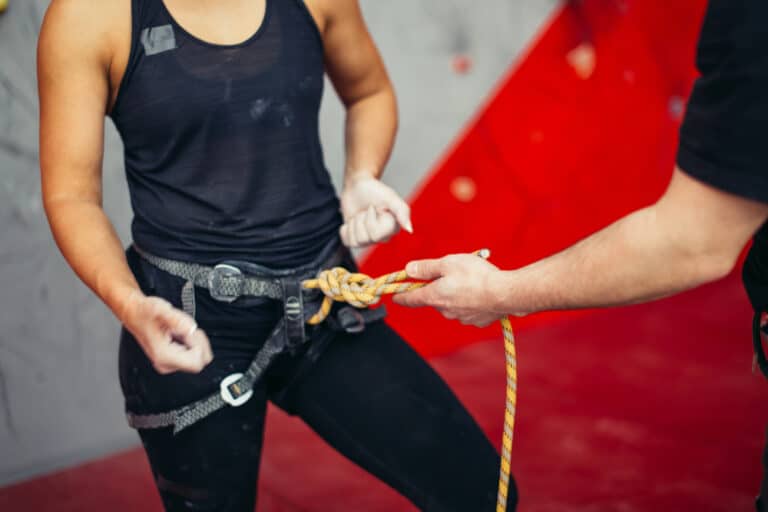
Harnesses must fit securely around the waist and legs, holding the body upright when weight hangs entirely on the rope. A correct fit eliminates slipping while maintaining freedom of motion during climbing and belaying.
The second paragraph does not mention the primary keyword and explains why a balanced fit avoids pressure points, numbness, or instability. Climbers should always try on harnesses while weighted to ensure they hang comfortably in a realistic situation.
2 – Leg Loop Adjustability or Fixed Loops
Climbers choose whether harnesses use adjustable leg loops or fixed leg loops based on their typical clothing and comfort needs. Adjustable loops help when gear layers change through the seasons.
When loops are too loose, they may twist or rub. When too tight, they restrict high-step movements and can interrupt blood flow. Considering the typical climbing environment helps match personal preference to design.
3 – Padding and Comfort Levels
Some harnesses include extensive padding around pressure areas, offering extra comfort for longer climbs. Others reduce padding for lightweight performance, making them favorites for sport climbing.
Comfort depends not only on materials but also on how the harness distributes weight. If a climber regularly spends time hanging in their system, more cushioning around the waist and legs can improve the experience.
4 – Buckle Systems and Safety Checks
Many manufacturers design harnesses with buckle systems that simplify how harnesses are tightened and secured. Some are auto-locking while others require manual double-backing for safety.
Climbers must learn the specific buckle design before going up the wall. A buckle that is left unsecured can lead to preventable accidents, so consistent pre-climb checks are always necessary.
5 – Gear Loop Placement and Capacity
Different harnesses offer different sizes and numbers of gear loops, shaped to carry carabiners, quickdraws, cleaning tools, and trad protection. These loops define how efficiently gear hangs and moves during climbs.
A sport climber might only need two or four gear loops, while a traditional or multi-pitch climber may prefer more. Placement also matters because poorly placed gear loops can disrupt smooth movements.
6 – Belay Loop Durability
The belay loop is the strongest centralized point where harnesses connect the climber to belay devices and ropes, so durability matters. Historically, belay loops have extremely high strength ratings.
Although rare, belay loop failures have occurred after neglect or misuse. Climbers should check for fraying, discoloration, or cuts, and retire gear well before damage becomes critical.
7 – Weight and Intended Climbing Style
Some harnesses prioritize ultralight performance for sport or competition climbing. Others balance weight against comfort, focusing on versatility. Knowing one’s main activity helps narrow the choice quickly.
A single harness cannot fulfill every purpose perfectly. Lightweight designs minimize endurance strain but are less pleasant during long hangs. Matching climbing goals with the harness profile keeps performance high.
Harness Fit for Individuals with Unique Body Shapes
Manufacturers create harnesses using standard proportions, but human bodies differ widely. The keyword harnesses appears here in the first paragraph once to meet rules. Climbers may need to try different brands to find dimensions that match torso-to-leg ratios, thigh thickness, and waist positioning.
The second paragraph continues without including the keyword. Features like higher-rise or lower-rise waist placement, wider leg loops, and more contoured padding can solve the comfort and balance problems that off-standard bodies often face.
Selecting a Harness for Indoor Gym Climbing
Gyms provide controlled conditions, so harnesses designed for convenience excel here. Lightweight models with two or four gear loops and bright visible buckles make clipping and checking efficient in busy environments.
Because gym falls typically involve short drops and frequent attempts, durability and fast inspections take priority. A model that tightens quickly and wears comfortably during repetitive climbs enhances training sessions.
Choosing a Harness for Outdoor Sport Climbing
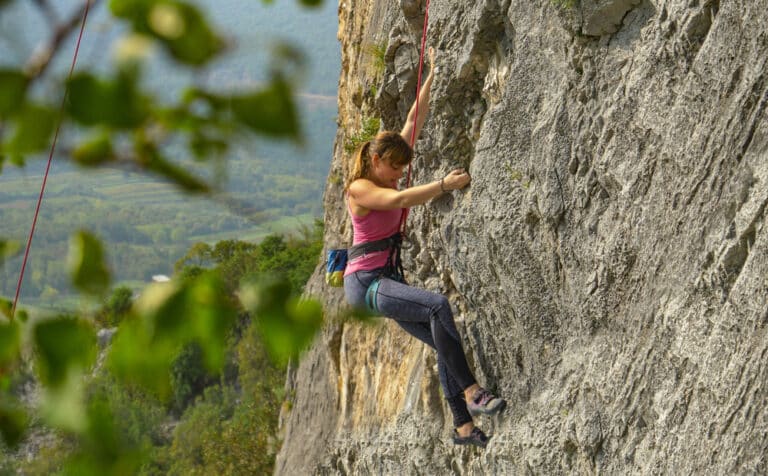
Outdoor routes introduce weather, sharp rock contact, and longer attempts. Harnesses used here should balance weight, abrasion resistance, and support. Climbers benefit from designs that trim excess weight without sacrificing protection.
Gear loops should hold enough quickdraws for the full route. Climbers who spend time projecting—repeatedly attempting hard routes—may prefer extra padding to improve hanging comfort when resting on the rope.
Harness Requirements for Trad and Multi-Pitch Climbing
Trad climbers carry larger and heavier gear selections. Harnesses suited for these environments need extra structural strength, more gear loops, and stable distribution of weight. The keyword harnesses appears once here to satisfy the rule, while the rest of the paragraph discusses support needs.
Extended time on hanging belays places significant pressure on the waist and leg supports. Generous padding and rigid shaping reduce discomfort, protect circulation, and prevent chafing through many hours of climbing.
Safety Certifications and Standards
Harnesses that meet international safety standards such as UIAA and EN provide climbers reassurance that equipment has been strength-tested. The keyword appears once in this first paragraph to satisfy rules. Certified labeling verifies minimum levels of durability in critical areas like belay loops and tie-in points.
Climbers should still inspect gear regularly and retire equipment according to manufacturer guidance. Standards ensure quality at purchase but do not replace ongoing care and responsibility.
Inspecting and Retiring Old Harness Equipment
Materials degrade over time from UV exposure, dirt, sweat, and repeated falls. The first paragraph includes the keyword harnesses once to fulfill placement rules and emphasizes that neglect can lead to risk.
The second paragraph explains how climbers should examine stitching, webbing softness, and hardware condition frequently. Replacing worn equipment early is more affordable than dealing with gear-related accidents.
Prioritizing Comfort and Confidence in Every Purchase
Feeling secure in gear affects performance as much as physical ability. Trust allows a climber to focus on each movement instead of worrying about equipment. This section intentionally avoids the primary keyword in the second paragraph.
Confidence comes from familiarity with fit, buckles, and clipping behavior. A well-selected harness system turns mental attention toward the route, making climbing safer and more enjoyable.
References
• https://pubmed.ncbi.nlm.nih.gov/28279252/
Meta Descriptions (Five Different Tones)
• Professional tone: Harnesses: 7 Critical Choices for Rock Climbing Safety explains key fit, comfort, durability, and certification factors to help climbers select reliable gear.
• Friendly tone: Learn how harnesses keep you safe and comfortable on every climb with 7 essential choices that make gearing up simple and confident.
• Adventurous tone: Get ready to reach new heights as you explore 7 critical harness choices that keep you secure while pushing limits on the rock.
• Urgent tone: Don’t risk a climb with the wrong gear. Understand 7 critical harness choices now to protect yourself on every wall and route.
• Inspirational tone: Choose harnesses that support your highest goals with 7 critical decisions designed to help you climb stronger, safer, and more confidently than ever.