Rock climbing harness selection matters more than most beginners realize, because your body hangs from a few sewn loops when gravity tries to pull you off the wall. This piece of gear becomes your direct connection to a rope, a belayer, or a quickdraw in the middle of a cliff. Choosing, using, and caring for a rock climbing harness can be the difference between confidence and fear, and every climber deserves a solid foundation of knowledge before tying in.
A rock climbing harness seems simple from the outside, but every strap and buckle has a purpose rooted in biomechanics and fall-force management. Misunderstandings, poor fit, aging equipment, and mismatched climbing styles can all reduce its safety. Like every essential part of the climbing system, knowledge is the primary backup.
1 – Correct Fit and Sizing
Rock climbing harness fit must be exact because even slight looseness creates unpredictable forces during a fall. The waist belt needs to tighten above the hips so it cannot slide downward. Leg loops should be snug yet allow full hip mobility for high steps and bridging. A harness that feels comfortable while walking might act very differently when weighted, which is why climbers must hang test every model before purchasing.
Comfort in a shop does not guarantee comfort in a hanging position. Differences in body shape, waist-to-thigh proportions, and clothing layers change how pressure distributes while belaying or hanging at a belay station. Trying on your harness while hanging in a test area or on a rope at home ensures its structure supports you evenly rather than pinching or restricting circulation.
2 – Age, Wear, and Material Fatigue
Even a rock climbing harness made from modern high-strength webbing eventually loses integrity from abrasion, UV exposure, sweat, and dirt. Tiny fibers weaken long before visible tears appear. Manufacturers mark a recommended lifespan, often around five years of regular use, though heavy users may shorten that timeline. Harnesses that sit unused for many seasons can also deteriorate quietly.
Relying on appearance alone can lead to inaccurate assumptions about safety. The strongest failure points often hide inside layers of stitching. Keeping a gear log, storing harnesses away from heat and direct sunlight, and retiring equipment proactively eliminate uncertainty when the consequences of failure would be catastrophic.
3 – Activity-Specific Design
Choosing a rock climbing harness that matches the climbing style prevents misuse and discomfort. Gym harnesses focus on lightweight simplicity, while alpine or mountaineering models include adjustable leg loops for layering and gear loops for racking protection. Big-wall harnesses incorporate more padding for hours spent at belay stations. Ice climbing requires dedicated slots for ice-clippers.
Using a harness designed for the wrong environment may reduce mobility or leave a climber without essential load-bearing features. The safest approach is selecting a harness engineered for the discipline you practice most often, making sure its features fit your intended progression as well.
4 – Buckle Systems and Double-Back Checks
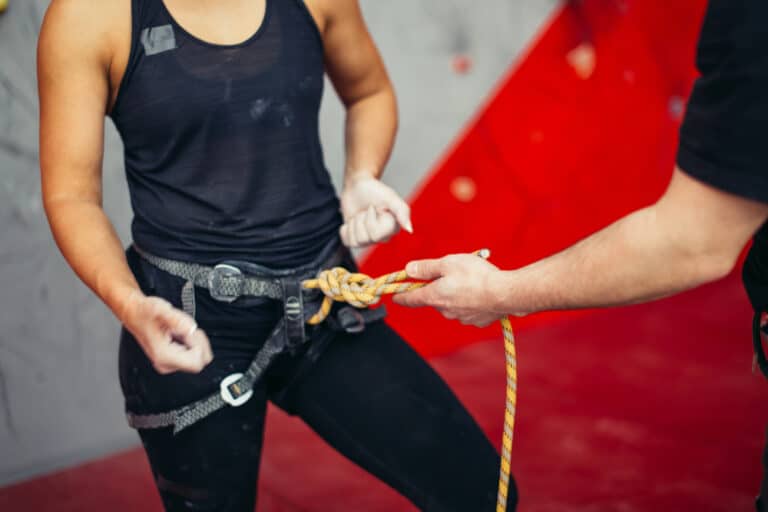
A properly secured rock climbing harness relies on correctly routed buckles. Some modern systems auto-lock, while others require manual double-backing. Climbers who switch between styles may forget the necessary habits, which increases the chance of leaving a buckle unsecured. Understanding which buckle sits on your waist and which on your legs ensures routine safety checks remain consistent.
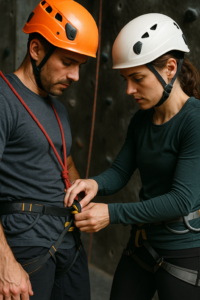
Even auto-locking buckles require visual and tactile verification. Partner checks before climbing help eliminate memory lapses, equipment twisting, or incorrect threading. Serious accidents have resulted from overlooking this simple step, even among experienced climbers.
5 – Gear Loop Strength Misconceptions
Many climbers assume rock climbing harness gear loops are weight-bearing because they feel sturdy and convenient. In reality, gear loops are meant only for carrying equipment, not supporting body weight. If a climber clips in to rest or belay from a gear loop, the loop can fail instantly under shock load.
Second-nature habits can override logic during fatigue. To prevent critical mistakes, climbers should mentally separate gear organization from system safety. Only tie-in points and a belay loop handle actual load forces, and those components are tested under strict standards for that exact purpose.
6 – Belay Loop Integrity
Inspecting a rock climbing harness belay loop should be part of every gear check. It endures direct friction from carabiners, devices, and rope, accumulating wear faster than many expect. Although reinforced with dense stitching, once the outer layer frays deeply, the inner fibers can snap under fall forces.
The belay loop experiences multidirectional loads when belaying, rappelling, and catching falls. Cleaning metal components that rub against it reduces abrasive wear. Rotating belay devices and carabiners helps distribute friction points more evenly over time.
7 – Suspension Trauma Awareness
Many climbers underestimate how a rock climbing harness can restrict circulation during long suspension. Hanging motionless after a fall may compress femoral arteries and nerves, leading to numbness, dizziness, or loss of consciousness. Vertical work-at-height industries train for this hazard, but recreational climbers rarely discuss it.
Belayers and partners must respond quickly if someone remains suspended and unable to climb back up. Communication, assisted climbing, or a rescue plan minimize the risks of suspension trauma. Harness choice with wider, more supportive leg loops reduces pressure on major circulation pathways.
8 – Clothing Layer Interference
A rock climbing harness worn over bulky winter clothing may not tighten adequately, allowing it to slip below the hips during movement. Extra layers also conceal improper adjustment during partner checks. When summer arrives, switching back to thinner layers may reverse the fit dynamic and introduce fresh slack.
Climbers should re-evaluate waist belt tension every time their layering changes. Leg loop elastic may require adjustment, and buckles may need re-threading. Even seasoned climbers overlook these small fit differences when transitioning between seasons or trip destinations.
9 – Improper Storage and Transportation
Packing a rock climbing harness underneath heavy gear can deform padding and weaken stitching over time. Dragging it across the ground exposes fibers to chemicals, grit, and sharp surfaces. Storing it in a hot car or damp basement encourages mold and accelerates nylon decay.
A dedicated breathable gear bag protects equipment and keeps harness hardware from scratching other items. Keeping harnesses separate from corrosive substances such as battery acid or gasoline ensures long-term reliability.
Harness Comfort Versus Safety
Comfortable designs encourage climbers to focus on movement, yet comfort alone never defines a safe rock climbing harness. Extra padding helps only if the webbing structure itself is fully secure. Soft edges and breathable construction mean little if the climber’s tie-in points are worn or the belt slides during loading.
Comfort serves performance, but safety governs survival. Climbers who prioritize style or interior feel should practice slow, methodical inspections. A harness that feels average while standing but excellent while hanging usually represents better engineering for real-world use.
Harness Testing and Practice
Hands-on testing increases confidence in how a rock climbing harness responds to real forces. Practicing hanging on a rope, performing mock falls, or rappelling in a controlled environment builds awareness of pressure distribution and buckle reliability. The more a climber understands the sensations of supporting weight, the quicker they recognize unusual behavior from their gear.
Testing also reinforces emergency response familiarity. Knowing exactly where the gear loops sit and where the belay loop rotates improves quick clipping, anchoring, and transitions on the wall. Regular training sessions turn equipment into muscle memory.
Delegating Gear Maintenance
New climbers often rely on partners or gym staff to evaluate their rock climbing harness, assuming others notice issues first. Yet every piece of personal protective equipment belongs to the wearer’s responsibility. Delegated safety becomes dangerous if the observer is distracted or inexperienced with that harness model.
Developing personal inspection habits prevents misplaced confidence. Climbing partners can still perform backup checks, but every climber gains ownership by learning failure signs, proper cleaning methods, and retirement guidelines firsthand.
Understanding Harness Certification
Not every rock climbing harness meets the same testing standards. UIAA and CE certifications confirm minimum strength requirements for tie-in points, belay loops, and structural webbing. Without these markings, climbers have no assurance that equipment tolerates expected fall forces. Brand recognition does not prove compliance.
Learning how to read product tags and instruction manuals enhances informed purchasing. Knowing which standards apply to what parts reinforces trust in the harness when exposure to risk is highest.
Balancing Lightweight Performance With Longevity
Ultralight models appeal to sport climbers and competition athletes who value minimal bulk. However, making a rock climbing harness lighter can reduce padding and long-term durability. Ultralight materials may fatigue faster under frequent falls or abrasive rock.
Climbers should match harness weight to frequency of use and fall intensity. A slightly heavier harness may outlast multiple thinner options, providing consistent performance rather than replacement-cycle anxiety.
Replacing Harnesses Before Problems Arise
Even when a rock climbing harness looks intact, uncertainty increases with age and heavy use. Retiring gear based on conservative timelines eliminates guesswork. Replacing equipment early becomes cheaper in the long run than risking injury or pair rescue interventions that could have been prevented by fresh gear.
Handing down old harnesses to beginner friends or family is not recommended because the unknown history introduces risk. Responsible disposal ensures outdated equipment does not accidentally re-enter use later.
Communication and Partner Checks
Climbers should speak openly about their rock climbing harness adjustments every time they prepare to climb. A simple confirmation of waist belt tension, leg loop placement, buckle security, and tie-in orientation builds team awareness. Communication habits strengthen trust, especially in groups where skill levels vary widely.
Partner checks are more than ritual. They offer the final barrier against preventable mistakes. A well-adjusted harness loses its benefit if a rope ties incorrectly or a buckle remains unthreaded. The check catches human error before exposure to real forces.
Summary of Safety Priorities
Every risk related to a rock climbing harness can be minimized by informed selection, consistent inspection, and disciplined habits. The harness stays strong when cared for and performs best when matched to the correct climbing context. Avoiding assumptions and maintaining clear communication keep climbers secure while pursuing the joy of vertical movement.
Climbing remains an inherently high-consequence activity, but attentiveness to gear transforms risk into manageable challenge. A dependable harness does not eliminate danger; it channels it into growth, adventure, and personal mastery.
References
UIAA Safety Standards
CE Mountaineering Equipment Regulations
Climbing Harness Inspection Guidelines
Meta description (tone: neutral):
Learn key rock climbing harness safety issues, selection tips, inspection habits, and usage guidelines to reduce preventable risks during indoor and outdoor climbing.
Meta description (tone: urgent):
Your rock climbing harness may be aging or misused without you realizing it. Understand critical risk factors now to protect yourself before your next climb.
Meta description (tone: friendly):
Feeling unsure about your gear? This guide to rock climbing harness safety helps you climb with confidence and take care of the equipment that takes care of you.
Meta description (tone: professional):
A detailed examination of rock climbing harness risk factors, inspection criteria, and activity-specific design considerations to maintain optimal fall-protection reliability.
Meta description (tone: inspirational):
With a safe rock climbing harness and informed habits, every climb becomes a chance to rise higher, trust your equipment, and transform fear into strength.